
Microtherm – high-performance microporous insulation for industry
High-performance solutions for demanding industrial environments
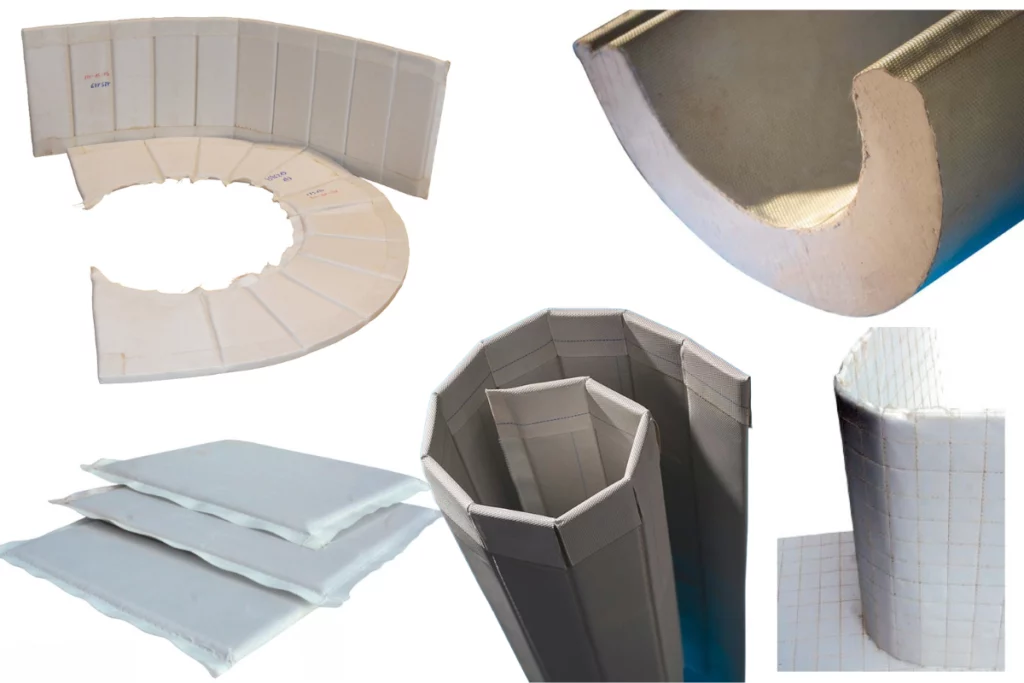
Our Microtherm solutions, high-performance microporous insulation high-performanceinsulation, offerexceptional thermal insulation
t high temperatures and significantly reduce energy loss.
Microporous insulation replaces fibrous insulation.
Reduce thicknesses to increase usable volumes
Improve performance and optimize energy savings
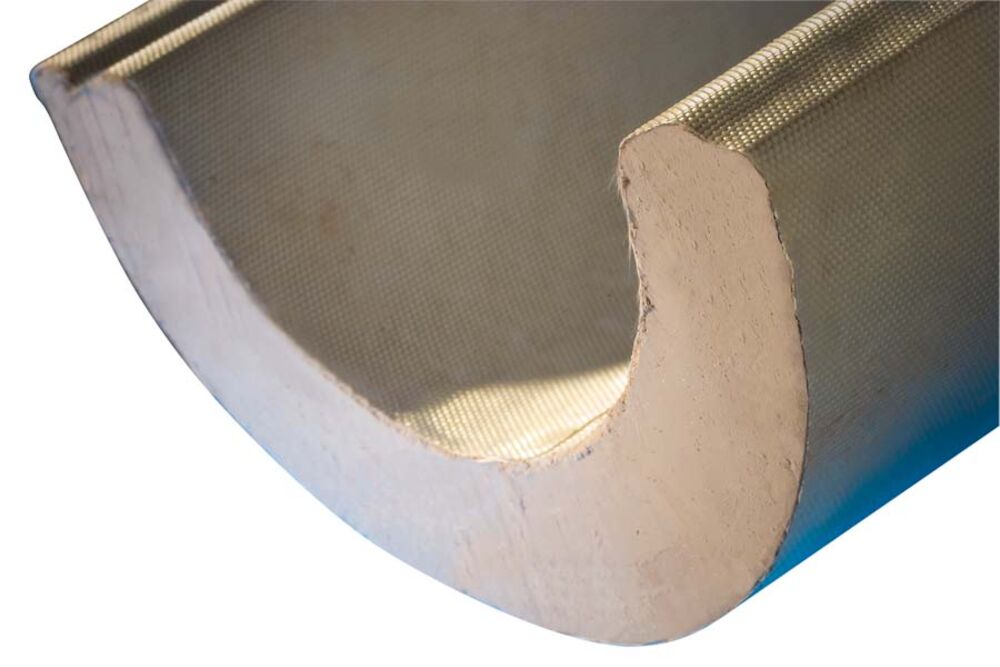
This insulation, made from opacified fumed silica, is known for its very low thermal conductivity and low thermal expansion. It is available in rigid panels, flexible encapsulated solutions, or custom-made parts to meet the requirements of the metallurgical, glass, petrochemical, and energy sectors.
Our Microtherm Families – High Temperature Microporous Insulation
MICROTHERM FAMILIES
Maximum thermal performance with reduced footprint
Microtherm solutions are based on a microporous insulation technology using opacified silica, specially developed for industrial environments subject to high temperatures.
They combine low thermal conductivity, dimensional stability, and excellent temperature resistance, which significantly reduces energy losses while optimizing the footprint of insulated systems.
Industrial applications of Microtherm
Microtherm is used in many industrial fields where heat management is critical:
Glass industry – Insulation of feeders, channels, and ladles in glassmaking facilities (areas where molten glass is fed). For example, glass furnace feeder ladles can be insulated with Microtherm panels to retain heat while protecting surrounding structures.
Metallurgy and foundry – Insulation of molten metal ladles and the walls of furnaces used for melting or heat treating metals. Microtherm microporous panels withstand the extreme temperatures of liquid metal baths, limiting heat loss and improving safety.
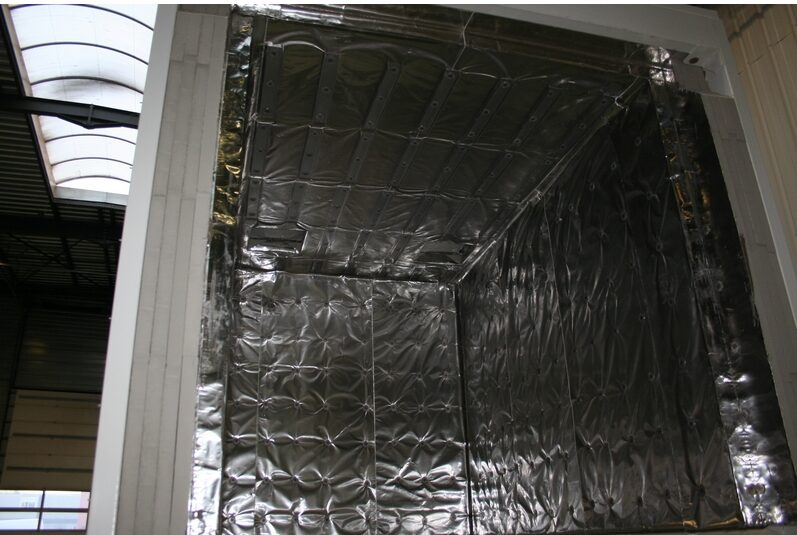
Industrial furnaces and ceramics – Internal insulation for heat treatment furnaces, glass or ceramic melting furnaces, as well as industrial thermal equipment and process equipment. Microtherm microporous insulation ensures a uniform and stable temperature inside the furnace while maintaining the external wall at safe temperatures.
Energy and high technology – Thermal insulation for energy storage systems (high-density batteries, flywheels) and hydrogen fuel cells, where maximum thermal efficiency in a limited volume is required. Its very low conductivity and absence of volatile fibers make it a suitable material for these cutting-edge applications.
Fire protection and sensitive equipment –
Microtherm is also used for fire protection in certain types of equipment: safes, electrical cabinets, firewalls in marine and aeronautical applications, etc. Its non-combustible properties and temperature resistance ensure a reliable thermal barrier in the event of fire or prolonged exposure to heat.
Advantages of Microtherm: high-performance microporous insulation
As a microporous insulator, Microtherm offers numerous technical and operational advantages for industry:
-
Extremely low thermal conductivity – Much lower than that of conventional fiber insulation or even low-density calcium silicate boards. For example, a Microtherm panel has a conductivity of approximately 0.023 W/m·K at 200°C, whereas conventional insulation materials would exceed 0.1 W/m·K. This low conductivity results in minimal heat loss and increased energy efficiency.
-
Low thickness and reduced space requirements – Microtherm's insulating performance reduces the thickness of insulation required compared to traditional solutions. This maximizes the usable volume of equipment (ovens, pipes, enclosures, etc.), which is crucial when space is limited or expensive. By replacing several centimeters of conventional insulation with a few millimeters of Microtherm, you save space while maintaining the same level of thermal protection.
-
High temperature resistance (up to 1000°C) – Microtherm maintains stable performance even when continuously exposed to temperatures of around 1000°C. It does not decompose and undergoes only negligible dimensional shrinkage (less than 0.5% after 12 hours at 1000°C on one side). This high thermal resistance makes it suitable for treatment furnaces, glassmaking or metallurgy equipment, and any severe industrial application.
-
Non-combustible and safe material – Classified as non-combustible according to standards (Euroclass A1 fire rating) and compliant with strict industrial safety standards. Unlike some fibrous insulation materials, it does not contribute to fire and does not emit smoke in the event of a fire. This improves the safety of installations equipped with Microtherm, particularly in high-risk environments (ovens, electrical equipment, etc.).
-
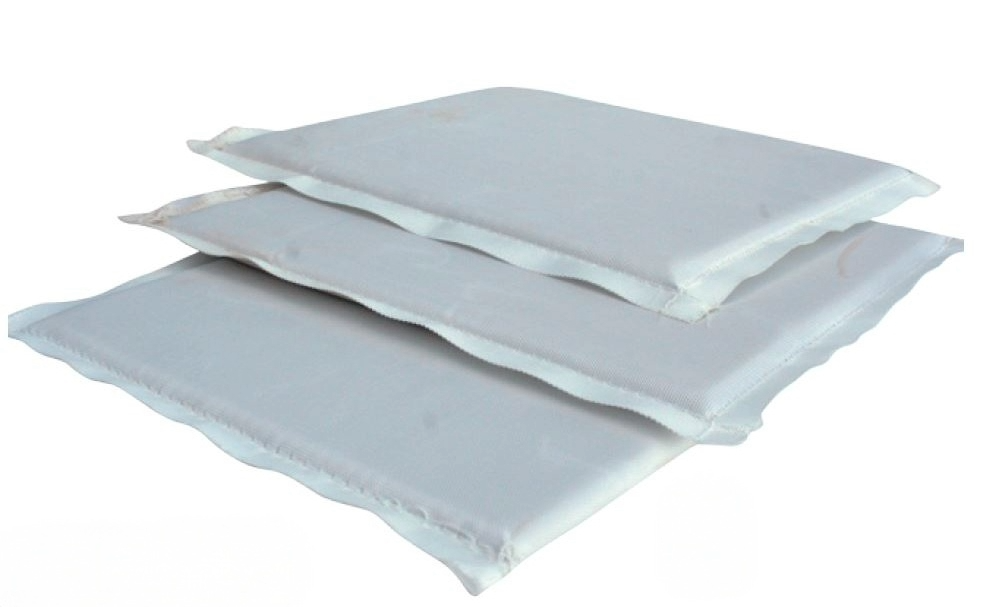
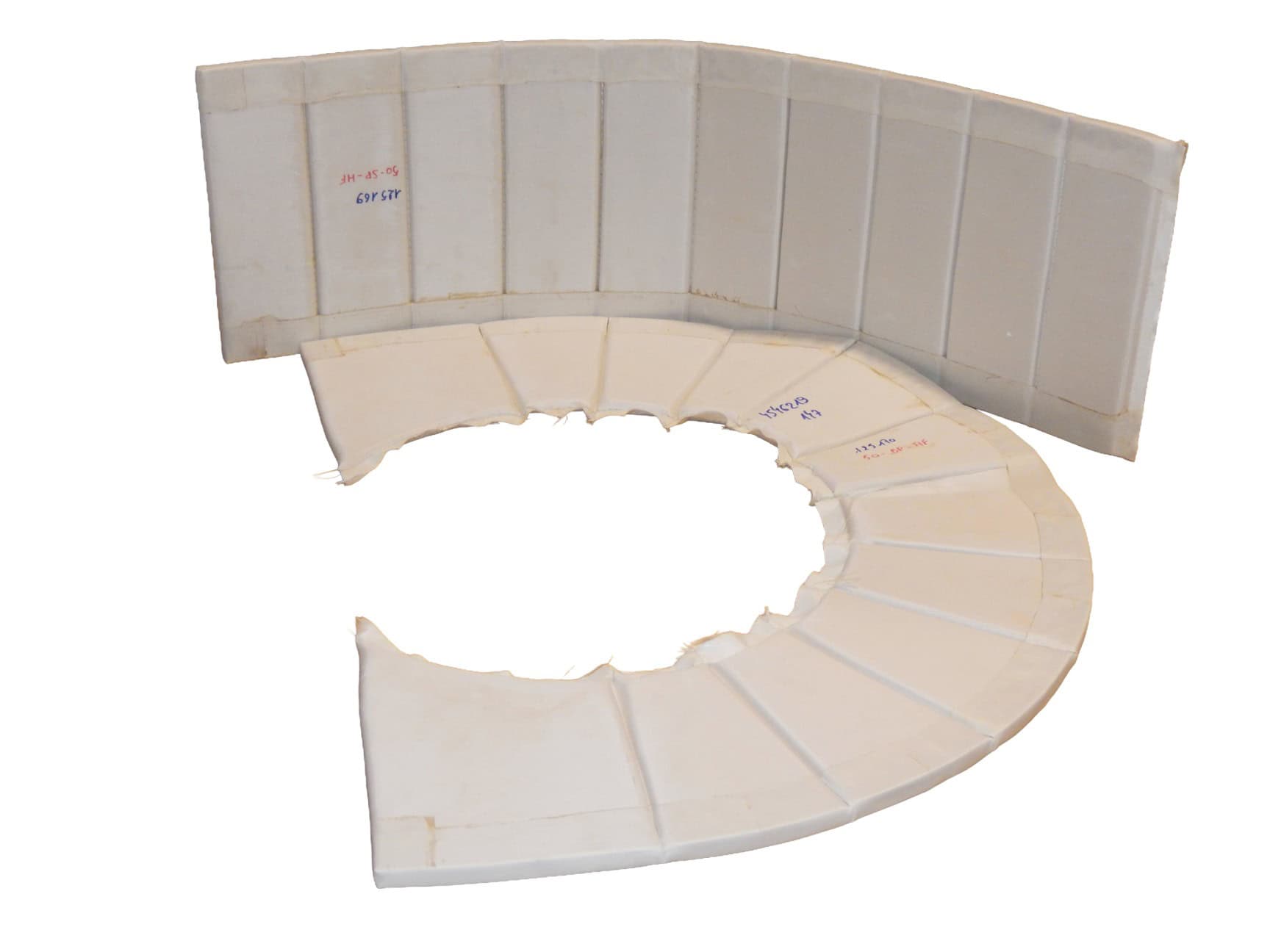
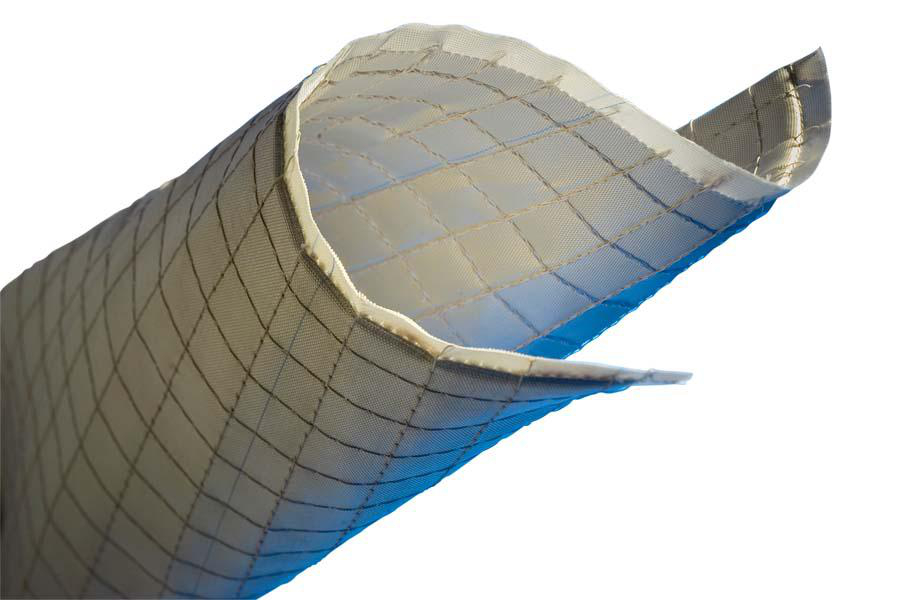
Available in rigid or flexible formats – Microtherm is available in rigid panels or in a flexible encapsulated form, depending on requirements. It can therefore be integrated into flat walls (rectangular panels) as well as complex shapes thanks to its quilted, stitched, or rollable configurations. This modularity greatly facilitates its use in the field, regardless of the project.
-
Health and environmental compliance – Microtherm is free from hazardous respirable fibers and does not contain any volatile organic binders. This means there is no risk of harmful dust being released during cutting or normal use. It is also stable over time and chemically neutral, making it a clean material that contributes to a healthy working environment.
(In summary, Microtherm combines unmatched insulation efficiency with a compact format and optimal safety, as illustrated by the characteristics above.)
The different variants of Microtherm
The Microtherm (Promat) range of high-performance microporous insulation significantly reduces the thickness of traditional insulation while ensuring optimal thermal insulation. Each variant (SlimFlex, Overstitched, Panel, Promalight 1000X, etc.) is designed for specific applications in high-temperature industries.
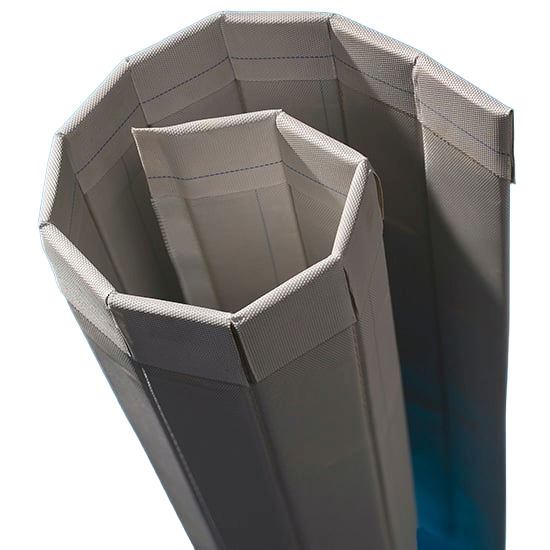
Microtherm SlimFlex 1000R (Roll)
- Density: ~260 kg/m³
- Operating temperature: up to 1000°C
- Characteristics: microporous opacified silica insulation, very low thermal conductivity, non-flammable, hydrophobic
- Typical uses: insulation of pipes, valves, and cylinders (high-temperature industrial applications)
Microtherm Overstitched
- Density: ~260 kg/m³
- Operating temperature: up to 1000°C
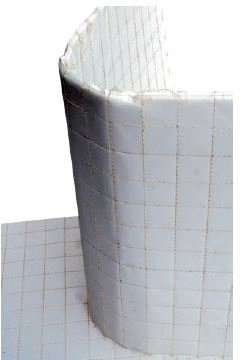
- Features: flexible microporous panels encapsulated in glass fabric with 50×50 mm grid stitching (non-combustible)
- Typical uses: insulation for industrial piping, ducts and cassettes, exhaust systems, fire protection
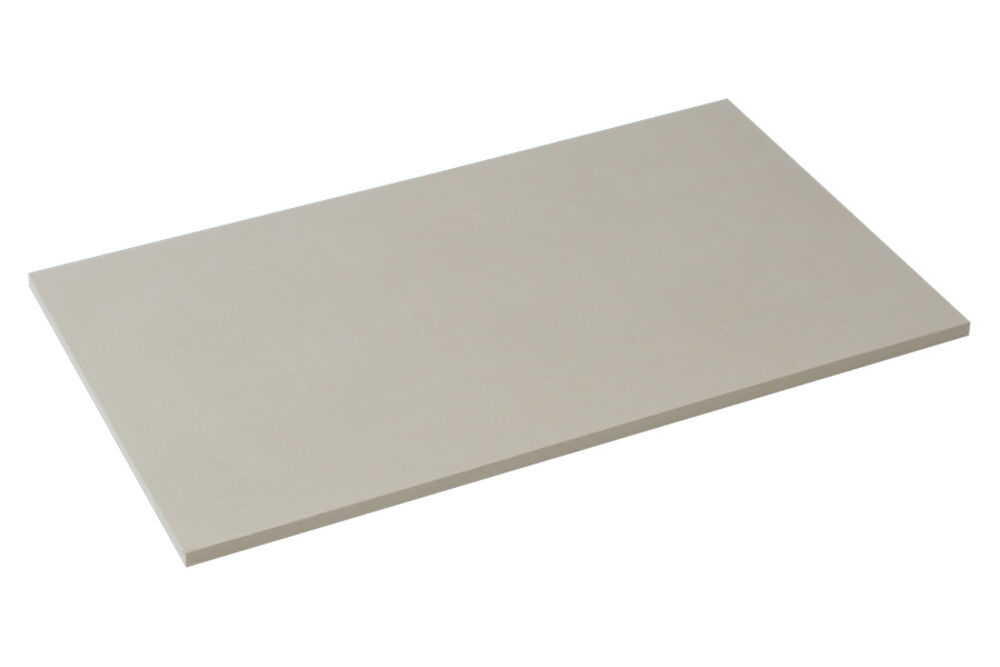
Microtherm Panel 1000R
- Density: ~240 kg/m³
- Operating temperature: up to 1000°C
- Features: very low thermal conductivity, panels encapsulated in glass fabric (hydrophobic version available)
- Typical uses: insulation of flat surfaces (ovens, reactors, industrial equipment)
Microtherm Quilted 1000R
- Density: ~260 kg/m³
- Operating temperature: up to 1000°C
- Features: microporous panels encapsulated in glass fabric with square seams measuring 25×25 mm
- Typical uses: insulation of flat surfaces or simple cylinders (ovens, cabinets, valves)
Microtherm Slatted 1000R
- Density: ~260 kg/m³
- Operating temperature: up to 1000°C
- Features: microporous panels encapsulated in glass fabric with unidirectional stitching
- Typical uses: insulation of elongated or 2D shapes (sheathing, ducts, curved walls)
Promalight 1000X
- Density: ~280 kg/m³
- Operating temperature: up to 1000°C
- Features: panels with high thermal resistance (conductivity ~0.023 W/m·K at 200°C), stable and resistant to thermal shock, standard or aluminized version available
- Typical uses: insulation for industrial furnaces, chemical and petrochemical equipment, laboratories, cooking appliances, and electric radiators
Promalight 1200
- Density: ~300 kg/m³
- Operating temperature: up to 1200 °C
- Features: microporous alumina-based insulation panels, designed for extreme temperatures
- Typical uses: very high temperature applications (steel industry, foundries, chemical industries)
Comparison of High-Temperature Microporous Insulation Materials – Microtherm & Promalight Ranges
| Technical specifications | Microtherm Slimflex | Microtherm Overstitched | Microtherm Panel | Promalight 1000X | Microtherm Quilted | Microtherm Slatted | Microtherm 1200 |
|---|---|---|---|---|---|---|---|
|
Composition |
Encapsulated opacified silica |
Encapsulated opacified silica |
Encapsulated opacified silica |
Encapsulated opacified silica |
Encapsulated opacified silica |
Encapsulated opacified silica |
Silica opacified with special opacifying agents (alumina) |
|
Density (kg/m³) |
~260 |
~260 |
~240 |
~280 |
~260 |
~260 |
~300 |
|
Limit temperature (°C) |
1000 |
1000 |
1000 |
1000 |
1000 |
1000 |
1200 |
|
Thermal conductivity |
Very low (~0.021 W/m·K at 200°C) |
Very low (~0.021 W/m·K at 200°C) |
Very low (~0.021 W/m·K at 200°C) |
0.023 W/m·K at 200°C |
Very low (~0.021 W/m·K at 200°C) |
Very low (~0.021 W/m·K at 200°C) |
≈ 0.025 W/m·K at 200 °C |
|
Structure / Flexibility |
Highly flexible – sewn roll mattress |
Flexible – seams 50×50 mm |
Rigid |
Rigid |
Highly flexible – 25×25 mm seams |
Flexible – unidirectional stitching |
Rigid |
|
Water-repellent |
Yes |
Yes |
Hydrophobic option available |
Yes |
Yes |
Yes |
Yes |
|
Typical use |
Pipes, valves, cylinders |
Industrial piping, cassettes, exhaust systems |
Flat walls of furnaces, doors, reactors |
Furnaces, petrochemicals, baking, laboratory |
Small diameters, complex curves |
Long pipes, continuous conduits |
Environments >1000°C, burners, special furnaces |
|
Benefits |
Flexible, lightweight, easy to install and cut |
Flexibility + good handling in curves |
Rigid, stable, cuttable, hydrophobic version |
Stable, resistant to thermal shocks, aluminized version |
Ultra-flexible, adaptable to complex geometries |
Easy installation over long lengths, good cylindrical coverage |
Extreme resistance, stability at very high temperatures |
|
Fire rating |
Non-combustible – Euroclass A1 (EN 13501-1) |
Non-combustible (Euroclass A1)
|
Non-combustible (Euroclass A1)
|
Non-combustible (Euroclass A1)
|
Non-combustible (Euroclass A1)
|
Non-combustible (Euroclass A1)
|
Non-combustible (Euroclass A1)
|
Gallery of microporous machined parts – Microtherm / Promalight
Why choose ELIT for your Microtherm/Promalight solutions?
- High-performance materials meeting industry standards.
- Tailor-made solutions for your industry.
- Full technical support, from choice of material to installation.
- Compliance with current regulations
Need an insulation solution? Contact our experts for a personalized quote.